The problem
High industry turnover meant constant onboarding of new agents. With an unintuitive interface and zero inline guidance, new hires struggled to learn the platform, leading to high error rates and lost momentum.
As a Jr. Product Designer, I streamlined the client onboarding experience
for over 65,000 insurance agents, cutting their turnaround time by an estimated 20%.
By studying regulatory guidelines and digging deeper into the user flow to uncover hidden
friction points, I restructured the form-filling experience to minimize manual entry,
improve data recall, and eliminate unnecessary workload.
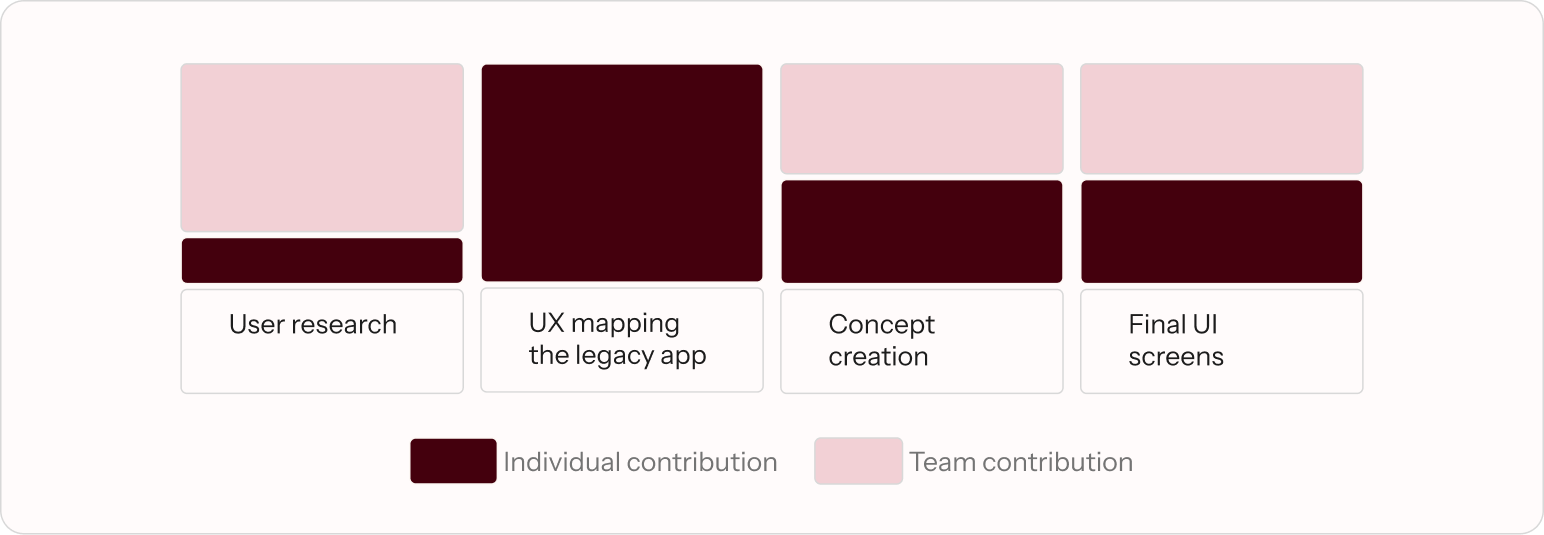
I worked alongside Aahna Garg (Product Designer) and Tanay Modi (Design Strategist) for this project, while collaborating with the client PMs and VPs over weekly syncs.
While external delays like policy processing take time, internal friction starts at the initial application. Agents navigated opaque workflows with little feedback on progress or missing requirements - turning routine form submission into a confusing, step-heavy chore that hurt client retention.
High industry turnover meant constant onboarding of new agents. With an unintuitive interface and zero inline guidance, new hires struggled to learn the platform, leading to high error rates and lost momentum.
Partnered with a co-designer to dissect complex application flows and redesign the form architecture for speed, clarity, and ease of use - all while strictly adhering to regulatory guidelines.
I transcribed and analysed 10+ regional language interviews from preliminary user research to map out agent behaviours, daily workflows, and core pain points.
Agents span socio-economically diverse regions with varying levels of experience. Due to high industry churn, a significant portion of the user base consists of new hires who must adapt to complex workflows quickly while driving conversion and retention.
An agent’s responsibilities across the client lifecycle break down into four core stages: prospecting & sales, client onboarding (form submission), underwriting coordination, and ongoing client servicing/upselling.
Onboarding isn't the only thing agents do in a day, but fulfilling its requirements takes up a large chunk of their time. During research, three core pain points stood out:
The same client information is asked multiple times across the form, making the process unnecessarily long.
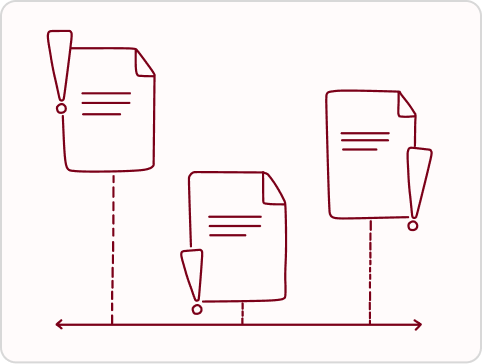
Document and data requirements are brought up in pieces rather than all at once, creating a poor experience for the client.
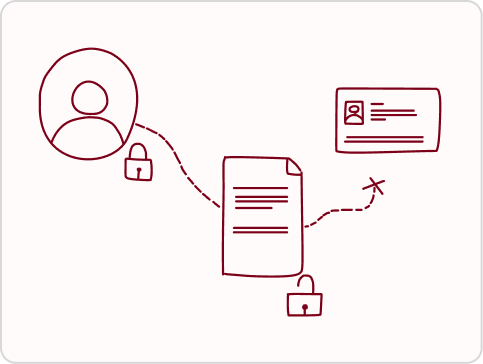
Entered information gets locked at certain stages, forcing agents to start an entirely new form if a last-minute change is needed.
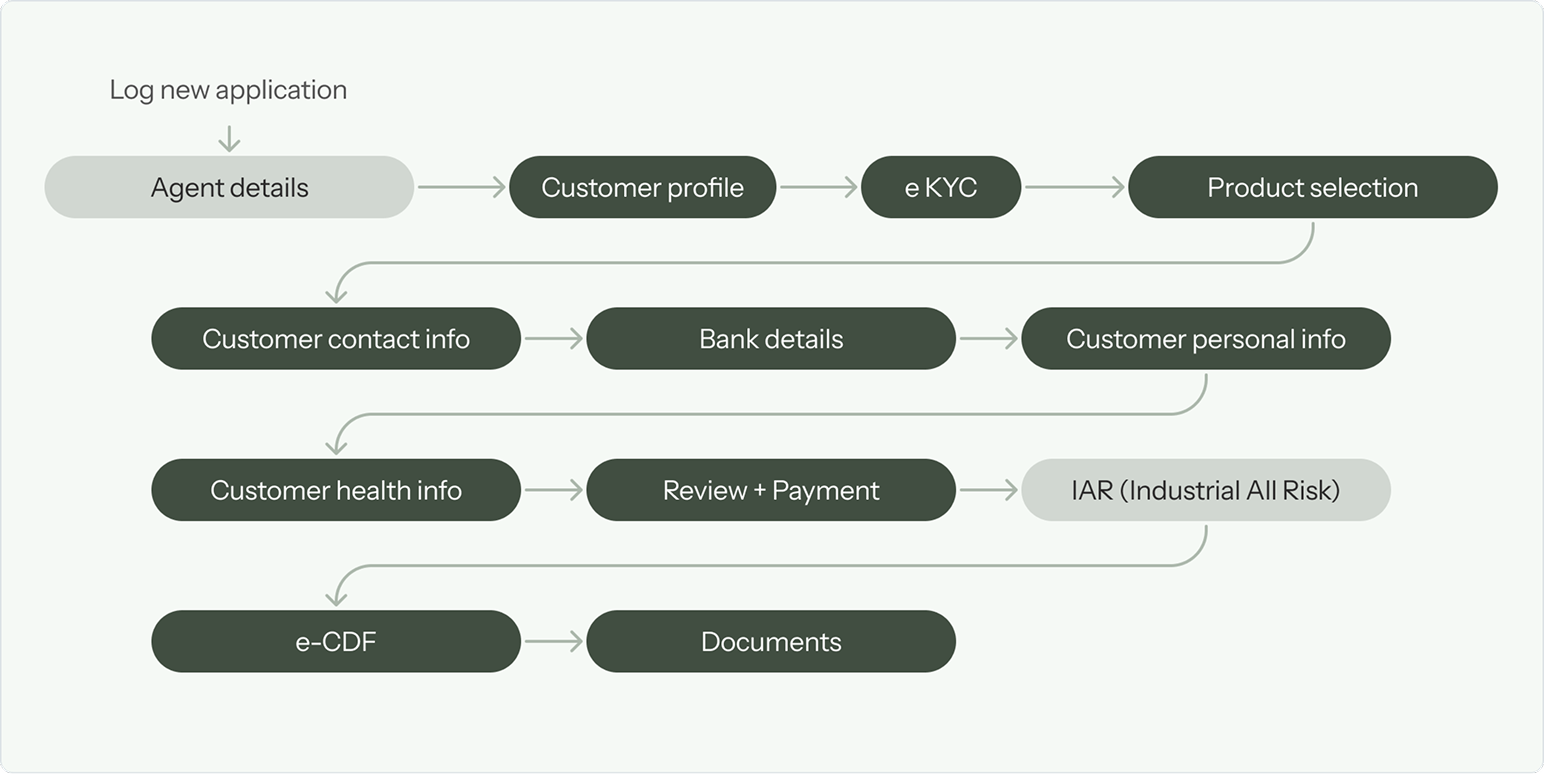
After analyzing the user research, I studied the current app to find which underlying features and flows were causing the agents' main frustrations.
To define the most critical problems to solve, we curated a prioritised list of 15 core JTBDs across key stages of the flow, including customer detail input and plan selection. These filtered down into four central design objectives:
Midway through the project, the IRDAI (Insurance Regulatory and Development Authority of India) released updated compliance mandates for insurance sales and onboarding workflows. Because regulatory rules strictly dictated the sequence of certain steps, we could not simply remove data locks or overhaul the top-level flow entirely. Instead, we focused on strategic structural adjustments alongside quick feedback, assistive copy and smaller changes in the overall UX to make a more efficient system.
Key design solutions focused on the primary improvement criteria identified in the scope.
Grouped form sections by client, policy, and supporting documents so agents can navigate with context and keep track of what matters next.
Progress indicators, status summaries, and clearer validation feedback reduce uncertainty and help agents know exactly what remains.
Instead of locking the entire form after a correction, the redesign creates a more forgiving flow that supports quick fixes without forcing a restart.
Lower friction: The form feels less mechanical and more guided.
Better confidence: Agents can see missing steps sooner and act with less hesitation.
Faster resolution: The process supports correction without costly restarts.
Compliance is a design constraint: it can still support speed and clarity.
Context reduces errors: visibility into status and next steps matters as much as the fields themselves.
Small workflow changes create real operational gains: even modest form-flow improvements can compound across large agent networks.